Real talent. Real consent. Fully rights-cleared.
Unreal Talent licenses approved talent likenesses for AI advertising — every face consented, every right cleared, every frame approved. The opposite of a deepfake, protected against right-of-publicity, NO FAKES Act, and SAG-AFTRA exposure.

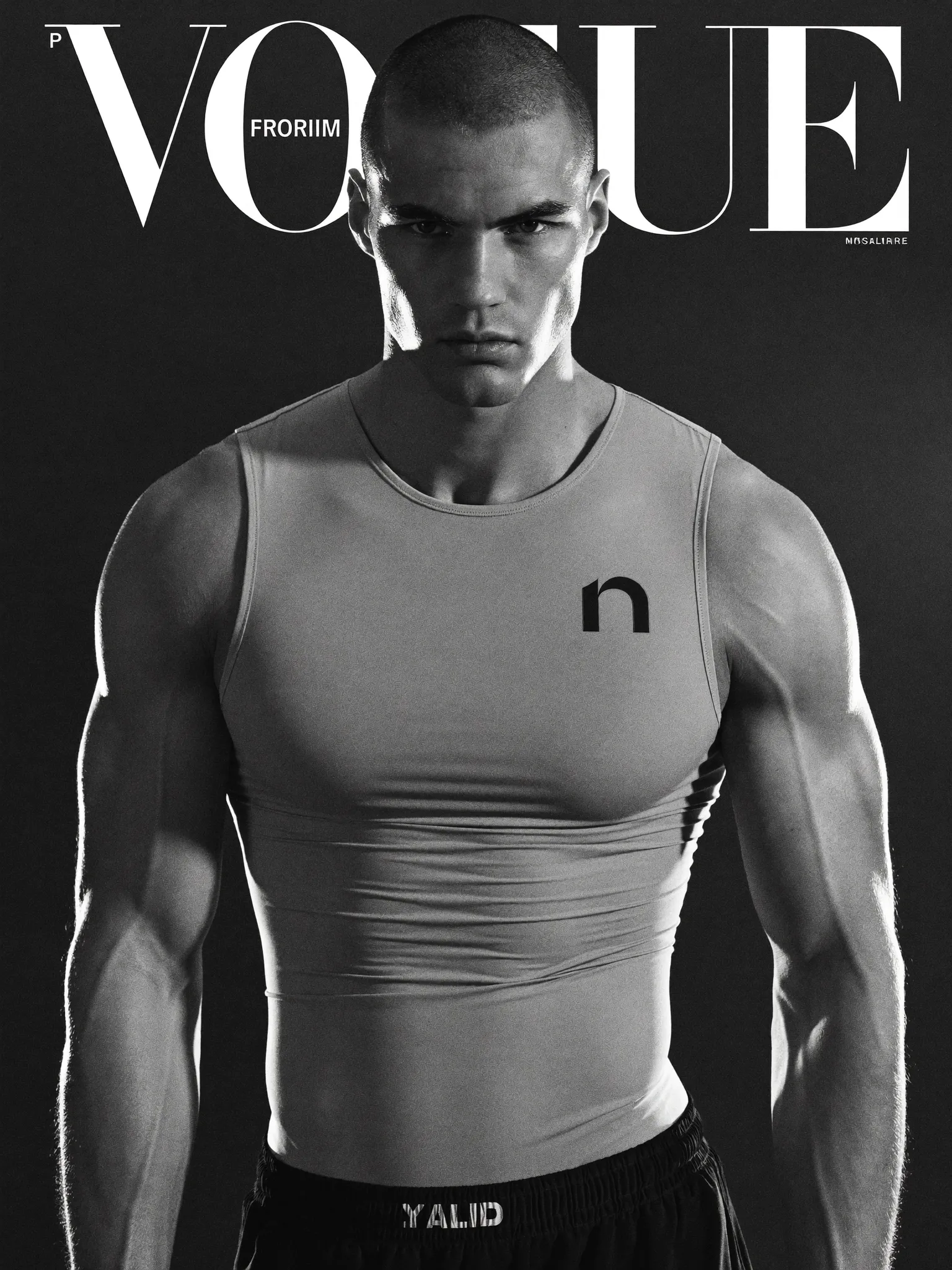
Consented, contracted, cleared.
Talent likeness licensing for advertising is a legal agreement that grants a brand permission to use a person's name, image, and likeness in its ads, under defined terms. When that likeness is used to generate AI content, licensing isn't optional — it's the line between a legitimate campaign and an unlawful one. We secure the license, document the consent, and gate the output behind talent approval — celebrity- and creator-likeness AI content that is consented, contracted, and cleared, not synthetic impersonation.
Why licensing isn't optional.
Right of publicity
State laws and a growing body of case law protect a person's name, image, and likeness from unauthorized commercial use. Unauthorized AI use of a recognizable person can trigger real claims.
The NO FAKES Act
Proposed federal legislation aimed at unauthorized AI replicas of a person's voice and likeness — making documented consent the safe harbor.
SAG-AFTRA standards
The union's AI provisions require informed consent and compensation for digital replicas of performers. Working within them keeps you on the right side of talent and the industry.
Transparency & disclosure
Emerging rules around disclosing AI-generated likenesses in advertising raise the bar for documentation and consent.
We're not lawyers and this isn't legal advice — but our entire model is built so that consent, licensing, and approval are documented from the start. That's the foundation a defensible campaign stands on.
A documented chain of consent.
Define the use
Tell us the talent profile, channels, markets, and duration you need.
Secure consent & license
We bring in talent who agree to the partnership and sign a license defining the exact scope of use.
Document the chain
Consent and license terms are recorded so the use is contracted, not assumed.
Produce the AI creative
Content is generated only from the approved, licensed likeness — no shoots required.
Talent approves every frame
Nothing runs without the talent's review and sign-off.
Launch, cleared
You receive rights-cleared content you can run with documented permission behind it.
Looking to feature a specific athlete? See how athlete brand deals work →
The deepfake risk you'd carry. The cleared campaign you'll ship.
We're not cheaper crew — we're a different operating model. Same caliber of talent, a fraction of the time and risk.
Rights, consent & compliance.
Still wondering about something? Ask us directly — a real human replies within 24 hours.
Talent likeness licensing for advertising is a legal agreement granting a brand defined permission to use a person's name, image, and likeness in its ads. For AI-generated content it is essential, because it provides the documented consent that makes the use lawful rather than an unauthorized replica.
It is legal when you have the person's documented consent and a license covering the specific use — and risky or unlawful without it. Right-of-publicity law and emerging AI legislation protect individuals from unauthorized commercial use of their identity, which is why we secure consent and a signed license for every campaign.
A deepfake uses someone's likeness without their permission; licensed talent content is the opposite — it's produced only from a likeness the person has consented to, under a signed license, with their approval on the final result. Consent and a paper trail are the entire difference.
The NO FAKES Act is proposed U.S. federal legislation targeting unauthorized AI replicas of a person's voice and likeness. Its practical effect is to make documented consent the safe path — exactly the consent-and-license model our campaigns are built on. This is general information, not legal advice.
We build our process around SAG-AFTRA's core AI principles — informed consent and compensation for the use of a performer's digital likeness — so campaigns align with the industry's standards rather than working around them.
Each engagement defines rights in writing — the scope of the brand's license to use the talent's likeness, the channels and markets covered, and the duration. Both the brand and the talent agree to those terms before any content is produced.
No. This page is general information about how our licensing model works. We document consent and licensing for every campaign, but you should confirm specifics with your own legal counsel.
License talent for your ads — the legal way.
Tell us who you want and where it runs. We'll handle consent, licensing, and approval end to end.